The role of diet in feline diabetes mellitus
Feeding practices, weight management, and low-carbohydrate food choices can significantly improve long-term health and treatment outcomes for cats with diabetes.
Feline diabetes mellitus is most often type 2, which is insulin-resistant diabetes associated with chronic hyperglycemia and obesity. ¹ Unlike type 1 diabetes, type 2 is largely preventable. Diet plays a critical role not only in prevention but also in ongoing management.
Preventing diabetes: Focus on targeting obesity and carbohydrate restriction
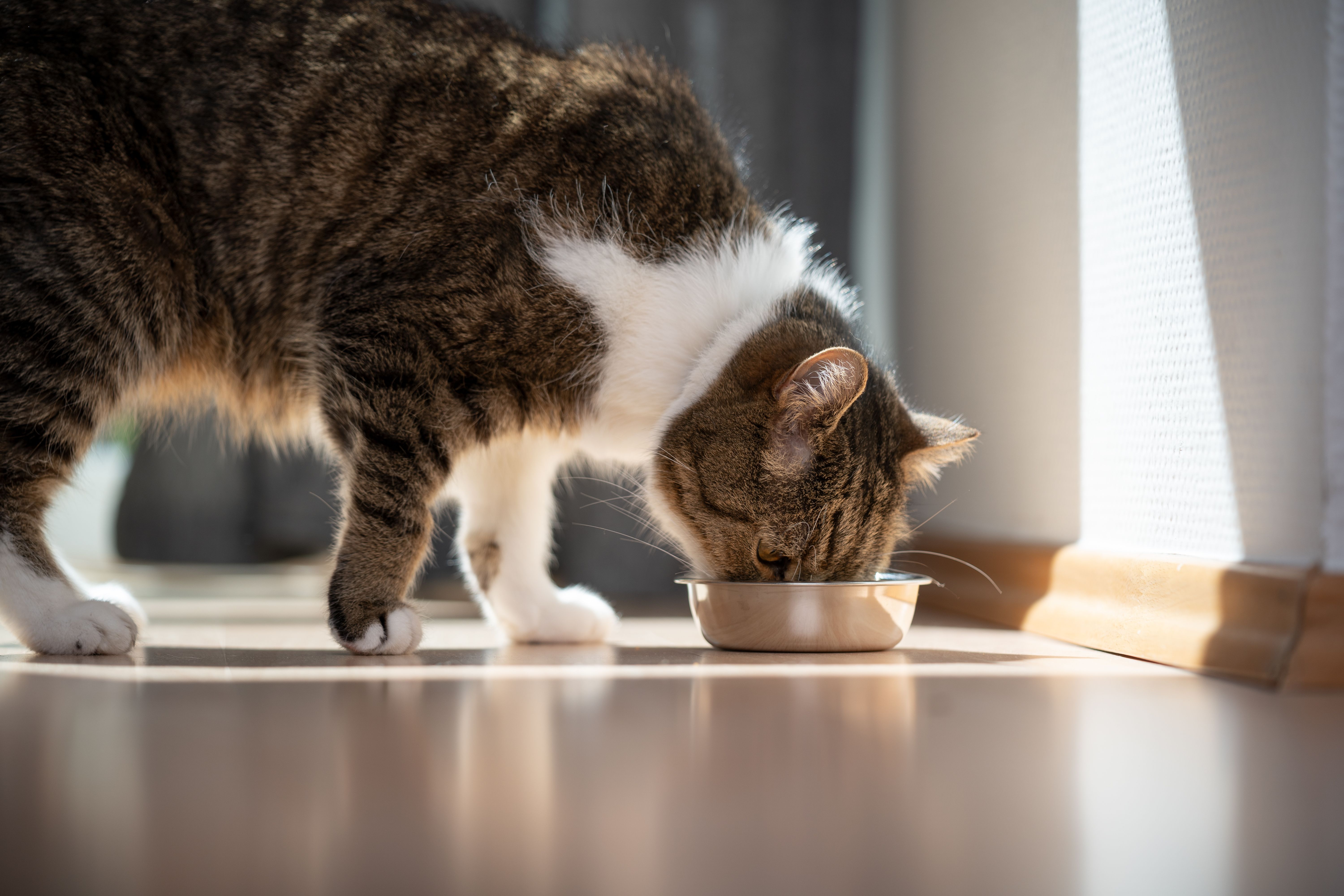
With more than 61% of cats classified as overweight or obese, veterinarians are on the front lines of a preventable epidemic. A key contributor is free feeding dry kibble, a common practice among cat owners. Continuous access to food encourages overeating, weight gain, and eventual insulin resistance.
Rather than focusing solely on the diagnosis of obesity, veterinary teams can guide clients by doing the following:
- Educating clients on how to assess a cat’s body condition
- Emphasizing the health benefits of an ideal body condition score (BCS)
- Connecting obesity with the risk of diabetes mellitus
- Providing actionable strategies, such as the following:
- Switching from free feeding to meal feeding
- Replacing food bowls with food puzzles to encourage natural hunting behavior and slow intake3
- Transitioning to wet or fresh foods, which are typically lower in carbohydrates4 and not free fed
- Using accessible analogies to reinforce the messages, such as “All-you-can-eat buffets aren’t healthy for cats or humans.”
Management after diagnosis: Nutritional strategy matters
Following a diabetes diagnosis, nutrition remains a cornerstone of care. Alongside insulin therapy or oral hypoglycemic drugs, dietary modification can improve glycemic control, reduce the risk of complications, and enhance the cat’s quality of life.
Veterinary teams could practice the following4,5:
- Schedule a nutritional consultation post diagnosis, not just an insulin administration demonstration, with a veterinarian or veterinary technician trained or experienced in nutrition.
- Recommend low-carbohydrate, high-protein diets.
- Educate clients on the importance of discontinuing free feeding and establishing consistent mealtimes.
- Offer practical weight loss tips for cats.
Although some diabetic cats experience weight loss before diagnosis, the goal is to have them reach an ideal BCS, not return to their previous weight. Overfeeding after diagnosis can worsen insulin resistance and delay stabilization.
Practical, preventive nutrition saves lives
Prevention is key. Educating clients early on about appropriate feeding practices, weight management, and lower-carbohydrate food options can dramatically reduce the risk of type 2 diabetes. For cats already affected, dietary changes are often one of the most impactful interventions that veterinary teams can offer to improve glycemic control, insulin responsiveness, and long-term treatment outcomes.
References
- Gottlieb S, Rand J. Managing feline diabetes: current perspectives. Vet Med (Auckl). 2018;9:33-42. doi:10.2147/VMRR.S125619
- 2022 Pet Obesity US Prevalence Survey. Association for Pet Obesity Prevention. Accessed September 10, 2025. https://www.petobesityprevention.org/2022
- Dantas LM, Delgado MM, Johnson I, Buffington CT. Food puzzles for cats: feeding for physical and emotional wellbeing. J Feline Med Surg. 2016;18(9):723-732. doi:10.1177/1098612X16643753
- Brooks W. Diabetic cat diet. Veterinary Partner. February 11, 2010. Updated November 4, 2023. Accessed September 10, 2025. https://veterinarypartner.vin.com/default.aspx?pid=19239&id=4952919
- Yau M. Practical weight loss in cats. dvm360. April 24, 2025. Accessed September 10, 2025. https://www.dvm360.com/view/practical-weight-loss-in-cats